

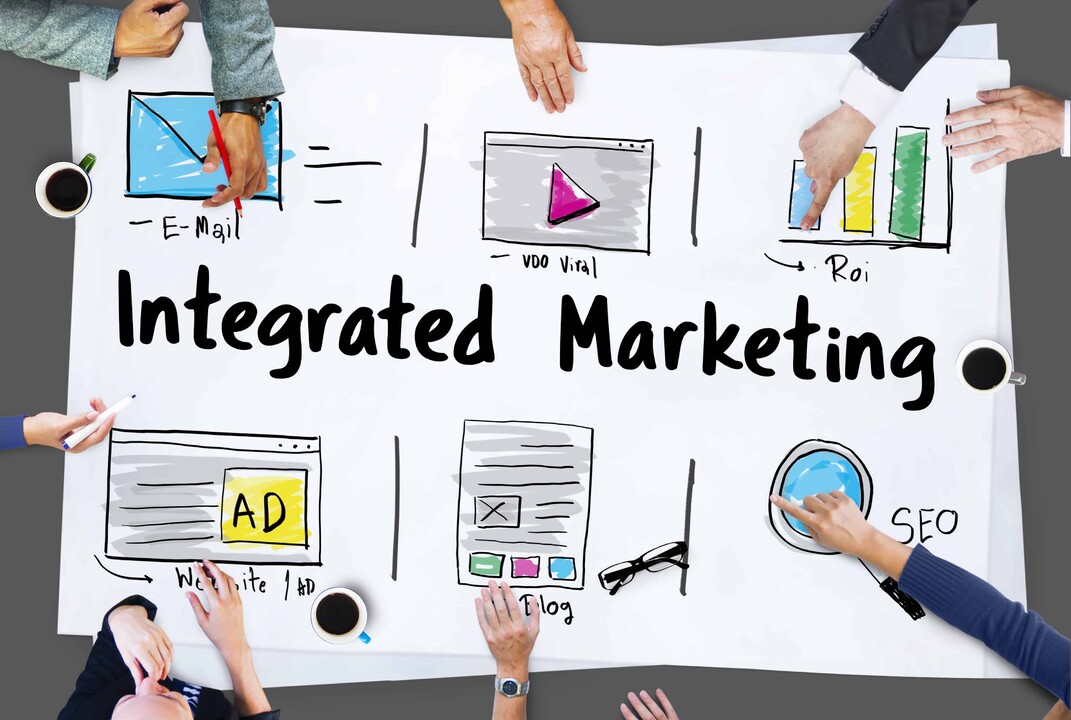
In the contemporary marketing landscape, the fragmented nature of consumer attention presents both a challenge and an opportunity. A successful integrated marketing campaign does not simply push the same message across multiple channels. Instead, it creates a unified brand experience where every touchpoint—from social media interaction and email marketing to physical events and digital advertisements—functions as a cohesive part of a larger, singular narrative. By aligning these disparate elements, a brand can amplify its message, build deeper consumer trust, and ensure consistent brand recognition across the entire customer journey.
Integrating a campaign requires more than just scheduling posts across different platforms. It demands a holistic approach that bridges the gap between creative strategy and technical execution. When done correctly, the synergy created by this integration is significantly greater than the sum of its individual parts. To achieve this level of sophistication, marketing leaders must focus on five essential pillars that serve as the foundation for any high-performing, integrated strategy.
1. Unified Strategic Messaging and Brand Identity
The first pillar is the establishment of a single, powerful narrative. Before any content is produced or any budget is allocated, the brand must define its core message. This message acts as the anchor for the entire campaign. It must be clear, compelling, and capable of being interpreted across various mediums without losing its fundamental meaning.
Consistency in brand identity goes beyond using the same logo or color palette, although those elements are certainly important. It extends to the voice, tone, and values communicated in every interaction. Whether a customer is reading a long-form article, watching a short-form video, or interacting with a customer service representative, the brand personality should remain unmistakable. This consistency is what builds long-term authority and consumer confidence. When the messaging is fragmented or contradictory, it creates confusion that erodes trust. Conversely, a unified identity reinforces the brand position, making it easier for the target audience to understand exactly what the brand stands for and why it matters to their specific lives.
2. Comprehensive Consumer Insight and Audience Mapping
An integrated campaign can only be effective if it is rooted in a deep understanding of the people it intends to reach. In 2026, audience mapping has evolved beyond basic demographic data like age and location. Modern marketers must now utilize behavioral and psychographic data to understand the motivations, pain points, and digital habits of their audience segments.
True integration requires mapping the customer journey from the initial awareness phase through to final conversion and long-term loyalty. This involves identifying exactly where the audience spends their time and, more importantly, what mindset they are in when they engage with those specific channels. For example, a consumer browsing a professional networking site is looking for value and industry insights, whereas that same consumer on a social entertainment platform might be looking for inspiration or diversion. By mapping these different contexts, a brand can tailor its messaging to fit the environment without breaking the narrative thread. This level of granular insight ensures that the campaign feels helpful and relevant rather than interruptive.
3. Seamless Cross-Channel Orchestration
The third pillar is the technical and creative orchestration of channels. This is where the strategy meets execution. The goal here is to ensure that a customer’s experience flows smoothly from one channel to the next, regardless of how they choose to interact with the brand. An integrated campaign functions like a well-coordinated orchestra, where different instruments play different parts but contribute to the same musical composition.
To achieve this, marketers must move away from siloes. If the team responsible for social media is not talking to the team managing email marketing, the campaign will inevitably suffer from a lack of synergy. Effective orchestration requires a centralized management system where content is created with versatility in mind. A piece of hero content—such as a cornerstone video or a research report—should serve as the source material for smaller assets that are optimized for specific channels. This ensures that the message is consistent while allowing for platform-specific nuances. By maintaining this flow, brands can guide users through a sophisticated sales funnel that feels natural, intuitive, and highly personalized.
4. Data Integration and Feedback Loops
Data is the lifeblood of an integrated campaign. Without a unified view of performance data, it is impossible to optimize the campaign in real time. The fourth pillar involves the integration of data streams to create a holistic picture of campaign health. This means connecting the dots between engagement metrics on social media, conversion rates on the website, lead quality in the CRM, and physical interaction data from retail or event channels.
Establishing a robust feedback loop allows for agile adjustment. If a particular angle of the campaign is resonating significantly better on one platform than others, the team should have the capability to reallocate resources or refine the messaging on the underperforming channels. This process of continuous iteration is what separates modern, successful campaigns from rigid, outdated efforts. By treating data as a shared asset rather than a departmental one, organizations can identify emerging trends faster, address bottlenecks in the customer journey, and double down on the creative tactics that drive the highest return on investment.
5. Cultural Relevance and Adaptive Creative
The final pillar is the ability to maintain cultural relevance while staying true to the core campaign strategy. In a fast-paced environment, a campaign that is too rigid will quickly feel dated or disconnected from current events. Successful integrated campaigns build in a degree of flexibility that allows them to respond to cultural shifts, trending topics, or breaking news without losing their strategic focus.
Adaptive creative means having a library of modular assets that can be swapped or updated based on performance and cultural context. It involves keeping a pulse on the conversations happening within the target audience’s community and finding authentic ways for the brand to participate in those conversations. When a brand demonstrates that it understands the current climate and can contribute meaningful value, it gains significantly more traction than a brand that simply broadcasts scripted advertisements. This pillar requires a balance of foresight and responsiveness, ensuring that the brand narrative remains fresh and engaging throughout the entire duration of the campaign.
Frequently Asked Questions
1. How do you maintain consistency when working with external agencies and internal teams?
Maintaining consistency requires a strict, centrally managed brand guide that includes not only visual standards but also editorial guidelines for tone and messaging. Regular sync meetings between internal stakeholders and external partners are essential to ensure everyone is aligned on the core narrative before any assets are produced.
2. Is it necessary to be present on every digital channel to have an integrated campaign?
No, it is not necessary to be everywhere. Integration is about the quality and coherence of the connection rather than the quantity of channels. It is far more effective to dominate three channels where your audience is most active than to maintain a mediocre presence across ten different platforms.
3. What is the most common mistake brands make when trying to integrate their marketing?
The most common mistake is failing to break down organizational silos. When different departments own different channels and do not share data or creative resources, the result is a fragmented experience for the customer, which undermines the entire goal of an integrated approach.
4. How long should an integrated campaign typically run to see meaningful results?
The duration depends on the campaign objectives, but most integrated efforts require at least three to six months to gather enough data for proper optimization. Rushing a campaign to a close before it has had time to reach its target audience and generate enough feedback loops often results in missed opportunities for growth.
5. How do you measure the success of an integrated campaign that spans online and offline channels?
Success is measured by mapping cross-channel attribution. This often involves using unique identifiers, such as specific landing page URLs, dedicated QR codes for events, or CRM-based tracking, which allow marketers to see how an offline encounter led to an online conversion.
6. Can a brand pivot its integrated campaign strategy midway through if performance is low?
Absolutely. In fact, it is encouraged. Because the framework relies on modular creative and real-time data loops, teams should be able to pivot specific messaging or channel focus if the data shows that the current approach is not moving the needle. The core narrative should remain stable, but the delivery mechanism should always be flexible.
7. How much weight should be given to creative vs. data when building these campaigns?
They should be treated as equal partners. Data provides the foundation and the guardrails, while creative provides the emotional hook and the differentiation. A campaign with great data but poor creative will be ignored, and a campaign with great creative but poor data will likely reach the wrong audience or fail to convert.