

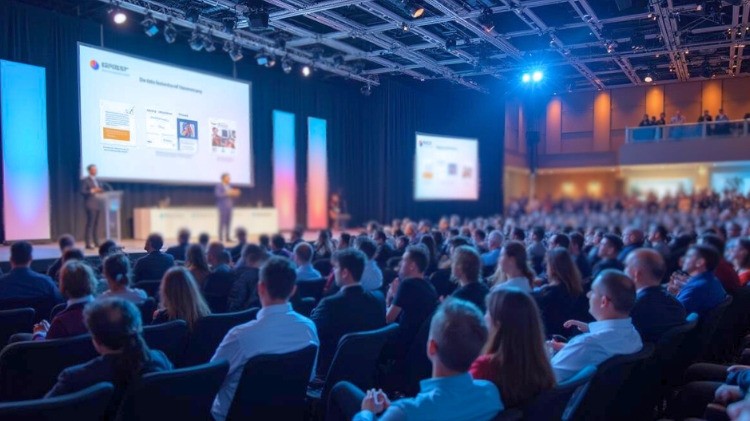
In an era defined by digital communication, the value of face-to-face interaction has arguably reached an all-time high. Global conferences serve as the epicenters of innovation, industry trends, and high-level networking. However, attending these events involves significant investments of time and capital. To ensure a high return on investment, you must shift your perspective from that of a passive attendee to an active participant. Treating a global conference as a strategic mission rather than a professional vacation is the hallmark of a seasoned industry leader.
Setting Clear Objectives Before Departure
The most common mistake professionals make when attending international events is arriving without a predefined agenda. A global conference is an overwhelming environment filled with hundreds, if not thousands, of distractions. If you do not know exactly what you are looking for, you will inevitably drift toward the most convenient conversations rather than the most valuable ones.
Before booking your flight, define your primary goals. These should be categorized into three distinct buckets:
-
Relationship Building: Identify specific individuals, stakeholders, or potential partners you aim to meet. Research the speaker list and attendees beforehand to see who will be present.
-
Knowledge Acquisition: Pinpoint specific sessions, workshops, or keynote topics that directly address current challenges in your business or professional life.
-
Market Intelligence: Use the event to gauge the competitive landscape. What are your competitors highlighting? What new technologies are being touted? What is the prevailing sentiment regarding market shifts?
By documenting these objectives, you turn the event into a checklist. You are no longer just roaming the halls; you are executing a plan to bridge specific gaps in your professional ecosystem.
Strategic Networking in a Global Context
Networking on a global stage requires a different set of skills than local networking. You are often dealing with diverse cultural communication styles, varying levels of seniority, and a high-energy, fast-paced environment. The secret to effective networking at global events is not the volume of business cards you collect, but the quality of the connections you foster.
Avoid the tendency to gravitate toward people who look and talk like you. The primary benefit of a global conference is the cross-pollination of ideas. Engage with professionals from different geographies and sectors. When approaching someone new, move beyond the standard elevator pitch. Instead, lead with a relevant observation about the session you just attended or a specific challenge you know their company is addressing.
Consider these tactical tips for high-impact networking:
-
The Follow-Up Window: Do not wait until you return home to process your connections. Spend thirty minutes each evening sending brief, personalized notes to the people you met during the day. This keeps your conversation fresh in their minds.
-
Leverage Peripheral Events: Often, the most meaningful discussions happen during evening receptions, coffee breaks, or informal dinners outside the main venue. These settings provide a relaxed atmosphere where barriers are lower and rapport is built more quickly.
-
Be a Connector: The best way to become a valued member of any professional circle is to be a person who makes introductions. If you know two people who could benefit from meeting each other, introduce them. This builds social capital that will pay dividends long after the conference ends.
Maximizing the Learning Experience
While networking is often the primary driver for attendance, the content delivered at global conferences can provide a massive shortcut for your professional development. However, trying to attend every session is a recipe for burnout and poor retention.
Be selective with your schedule. Curate your experience based on your predefined objectives. If you find yourself in a session that does not provide the expected value, do not feel obligated to stay until the end. Use that time to visit the exhibition floor or hold a one-on-one meeting with a contact.
Take notes in a way that is actionable. Rather than transcribing what the speaker said, capture how their insights apply to your specific situation. Write down one immediate action item for every key session you attend. If you walk away from a three-day conference with ten high-impact action items, you have successfully leveraged the content to move the needle in your career or business.
Managing the Logistics of International Travel
The stress of international travel can easily derail your focus if you are not organized. When attending global conferences, logistics should be handled with military precision to ensure you arrive refreshed and ready to engage.
-
Time Zone Preparation: If you are traveling across multiple time zones, start adjusting your sleep schedule a few days before departure. Staying hydrated and avoiding heavy meals during transit will also help mitigate the effects of jet lag.
-
The Tech Stack: Ensure you have the necessary adapters, portable chargers, and backups of your important documents. If you plan to demo a product or share a presentation, have an offline version ready in case internet connectivity is spotty.
-
Comfort is Key: You will likely be spending ten to twelve hours a day on your feet. Invest in professional attire that is comfortable and durable. Walking long distances between conference halls is common, so footwear should be chosen with practicality in mind.
Post-Conference Integration and Momentum
The true value of a global conference is realized in the weeks that follow. Many professionals lose the momentum they gained because they fail to implement a post-conference strategy. Upon your return, your first priority should be the synthesis of information.
Within 48 hours of arriving home, consolidate your notes and key takeaways. If you are part of a team, schedule a brief presentation or write a summary report for your colleagues. This not only forces you to crystallize your own learning but also demonstrates your professional value to your organization.
Next, prioritize your follow-up meetings. You likely collected a stack of business cards or digital contact info. Categorize them into tiers: immediate follow-ups, long-term relationship building, and general networking. The people who reach out first and provide clear, actionable reasons to stay in touch are the ones who solidify those global connections into long-term partnerships.
Frequently Asked Questions
How do I decide which global conferences are worth the high cost of attendance?
Evaluate conferences based on the speaker list, the companies sponsoring, and the attendee demographics. Look for events where the primary decision-makers you want to reach are either speaking or listed as attendees. If an event has a high concentration of your target audience or key industry innovators, it is usually worth the investment.
Should I bring my business cards or rely solely on digital networking?
While digital platforms are essential, physical business cards remain a powerful tool for instant, tangible connection, especially in international markets where cultural norms vary. Having a high-quality, professional card can facilitate a quick, memorable exchange in environments where your phone might be away or the internet is unavailable.
What is the best way to handle a packed schedule without feeling overwhelmed?
Prioritize two “must-attend” sessions per day. Treat the rest of your time as flexible slots for networking, spontaneous meetings, or rest. Building in downtime is not a waste of time; it is a strategy to maintain your energy levels so that when you are in a key meeting, you are at your best.
How can I make a good impression if I am an introvert?
Use the environment to your advantage. Introverts often excel at one-on-one conversations, which are more valuable than large group settings. Instead of trying to work a crowded room, find a quieter area near the coffee station and engage someone in a deeper conversation. Focus on listening intently, as that is a rare and highly appreciated skill in fast-paced professional settings.
What if I do not have a large budget for luxury travel?
Focus on the essentials: proximity to the venue and reliable transit. You do not need to stay at the most expensive hotel, but staying near the conference center saves significant time and energy. Look for shared housing or business-class boutique hotels that offer better value. The money saved can be better spent on hosting a dinner or attending premium networking events.
Is it appropriate to contact speakers after their presentation?
Yes, but do it strategically. If you have a specific, thoughtful question that was not addressed during the Q&A, reach out via a professional platform or email. Reference their specific point and how it influenced your thinking. Keep your outreach brief and avoid asking for favors immediately; focus on expressing appreciation and starting a professional dialogue.