

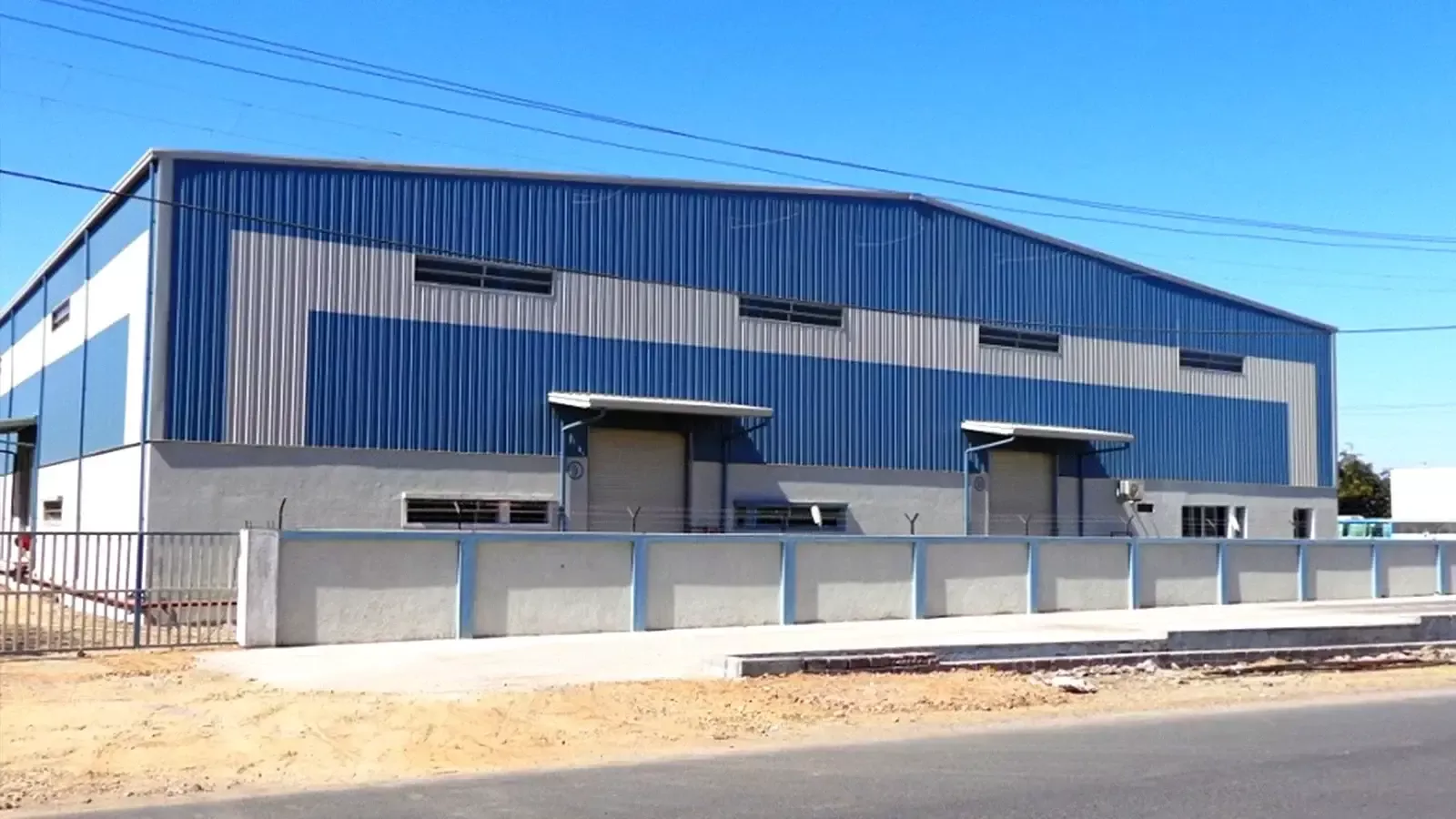
Finding the right warehouse space is a critical decision for any growing business. Whether you are running an e-commerce store, managing inventory, or expanding your logistics operations, choosing between location and cost can directly impact your efficiency and profitability. Striking the right balance ensures smooth operations while keeping expenses under control.
When searching for a warehouse for rent, many businesses focus on pricing first. While affordability matters, it should not come at the expense of accessibility and operational convenience. A well-located warehouse can save time, reduce transportation costs, and improve customer satisfaction. On the other hand, a low-cost option in a remote area might seem attractive initially but could lead to higher long-term expenses.
Why Location Matters More Than You Think
The location of your warehouse plays a key role in your supply chain. A centrally located facility allows faster deliveries and better connectivity to major roads, ports, and commercial hubs. This is especially important for businesses that rely on quick turnaround times.
For example, if your warehouse is close to your target customers or distribution points, you can reduce delivery time significantly. This not only improves customer experience but also builds trust and repeat business. Additionally, a strategic location helps lower fuel costs and reduces wear and tear on vehicles.
Another advantage of a prime location is access to skilled labor and essential services. Areas with established industrial zones often provide better infrastructure, security, and support facilities, making daily operations smoother.
Understanding the Cost Factor
Cost is often the deciding factor for startups and small businesses. Renting a warehouse in a premium area usually comes with higher rental charges. However, it is important to look beyond the monthly rent and evaluate the overall cost.
Hidden expenses such as transportation, fuel, delays, and maintenance can add up quickly if the warehouse is located far from key business areas. In contrast, a slightly higher rent in a better location can reduce these additional costs and improve operational efficiency.
Flexible rental options are also becoming popular. Many providers now offer customizable spaces, allowing businesses to pay only for what they need. This helps in managing budgets while still benefiting from a good location.
Balancing Location and Cost
The ideal approach is to find a balance between location and cost based on your business needs. Start by analyzing your operations. If your business depends heavily on fast delivery, investing in a centrally located warehouse is a smart move. For businesses with less urgency, a cost-effective option in a developing area may work well.
It is also helpful to consider future growth. Choosing a warehouse that supports scalability can save you from the hassle of relocating later. Look for spaces that offer expansion options or flexible lease terms.
Technology can also support your decision. Using logistics software and route optimization tools can help you manage operations efficiently, even if your warehouse is slightly farther away.
Tips for Making the Right Decision
Before finalizing a warehouse, evaluate factors such as connectivity, infrastructure, security, and accessibility. Visit the site personally to understand the surroundings and ensure it meets your requirements.
Compare multiple options and calculate the total cost of operations instead of focusing only on rent. Think about how the location will impact your delivery timelines, customer satisfaction, and overall business growth.
It is also wise to consult with logistics experts or property advisors who understand market trends and can guide you toward the best choice.
Conclusion
Choosing the right warehouse for rent is not just about finding the lowest price or the most convenient location. It is about understanding how both factors work together to support your business goals. A smart decision considers long-term benefits, operational efficiency, and future growth.
By carefully comparing location and cost, businesses can create a strong foundation for success. Investing time in this decision ensures smoother operations, better customer service, and improved profitability in the long run.