

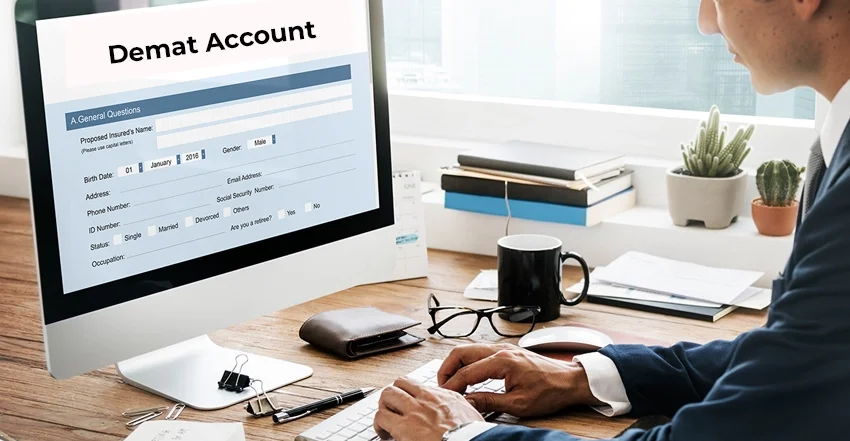
If you’re new to investing in the Indian stock market, the first thing you need to do is learn about and open Demat account. This tutorial makes it easy to understand by explaining what it is, why you need one, and how to get started. It uses Kotak Securities as a real-world example based on information from December 2025. We’ll keep it simple for anyone who are new to it.
Why is a Demat Account needed?
The main goal is to make it possible to retain and trade assets safely and without paper, which speeds up and makes investing safer. The Securities and Exchange Board of India (SEBI) has required people to participate in the stock market since 1996. You can’t hold or trade shares electronically on exchanges like the NSE or BSE without a Demat account. If you don’t have one, you could be at risk of fraud or delays with physical paperwork. Anyone who wants to buy stocks, mutual funds, IPOs, or bonds has to know this.
How a Demat Account Works
- Dematerialization means that physical certificates are changed into electronic form and kept in your account.
- When you buy or sell something, the money goes into your trading account and your bank account. The trade settles in T+2 days (two business days).
- You can check your holdings through applications or websites. For transfers, you can either use the electronic instructions you can find or go with the Delivery Instruction Slips (DIS).
Primary benefits and features
Features include easy transfers, pledging as loan collateral, the ability to freeze accounts, real-time monitoring, and the ability to connect with 3-in-1 accounts (Demat + trading + banking).
Benefits include high security (no physical threats), efficiency (no paperwork, lower expenses), ease (digital access), and speedy settlements. It also cuts costs like stamp duty and makes it easy to manage your portfolio.
Different kinds of Demat accounts
- Regular: For regular retail investors.
- Basic Services Demat Account (BSDA): For small amounts of money (less than ₹2 lakh) with minimal or no annual fees.
- Repatriable is for the Non-Resident Indians who want to send money back home.
- Non-Repatriable is also for NRIs. It is like repatriable, but no repatriation. There are special sorts for businesses and institutions.
How to Open a Demat Account in a Few Easy Steps
- To open a Demat account, go to the Kotak Securities website and click on “Open Demat Account.” You can also download the Kotak Neo app and sign up with your phone number and email.
- Send in your PAN card, Aadhaar card, one form of ID (such a passport, voter ID, or driver’s license), proof of address (like a bank statement or power bill), your bank details, and evidence of income.
- Use Aadhaar OTP or video to do e-KYC and add the data of the nominee.
After verification, a welcome letter will arrive with account details.
Keep in mind that investing is risky. Study up on what is Demat account first and conduct your own search before you invest anywhere. Start small and focus on getting professional assistance.